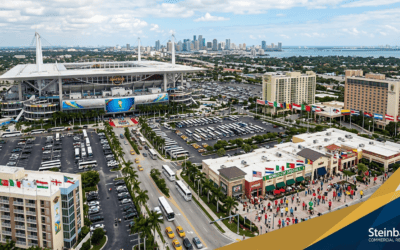
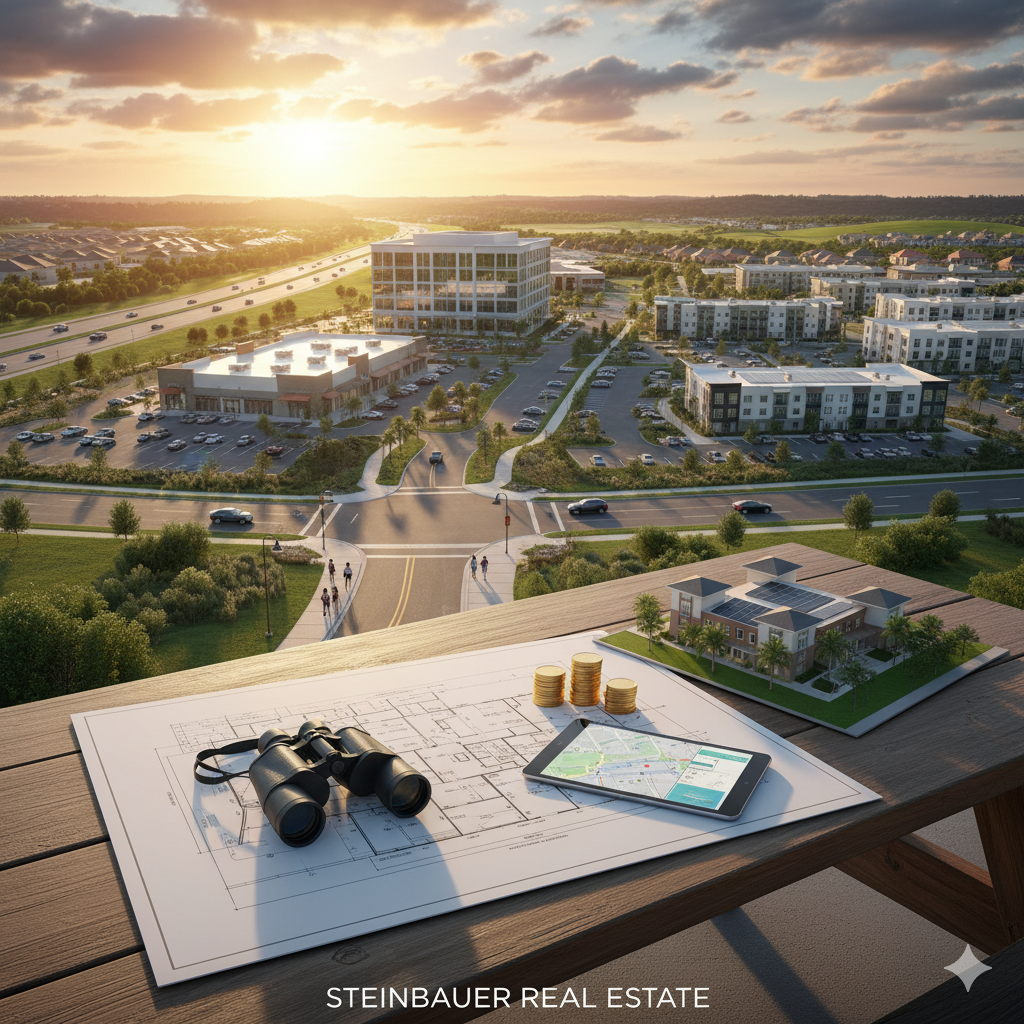
As urban centers in Florida face rising costs and land constraints, commercial real estate is expanding into suburban and peripheral markets. Suburban CRE growth is becoming one of the hottest trends, offering opportunities for investors, developers, and tenants seeking affordability, accessibility, and future growth potential. At Steinbauer Real Estate, we closely monitor these trends to guide our clients toward the most strategic suburban investments.
Why Suburban CRE Is Surging
Several factors are driving the suburban commercial real estate boom in Florida:
- Population Migration: Families and professionals are moving from dense urban areas to suburban neighborhoods, seeking more space, better schools, and lower living costs.
- Rising Urban Costs: High rents and limited land in cities like Miami, Tampa, and Orlando push businesses to suburban alternatives.
- Remote Work & Hybrid Models: Companies are shifting operations to satellite offices closer to employee residences.
- Infrastructure Improvements: Expanding highways, transit options, and technology infrastructure make suburban locations more accessible.
Types of Suburban CRE in Demand
- Office Space: Flexible suburban offices cater to remote and hybrid workforces.
- Retail Centers: Neighborhood shopping centers and lifestyle retail hubs support growing suburban populations.
- Industrial & Logistics: Distribution hubs and last-mile fulfillment centers benefit from lower costs and easy highway access.
- Multifamily Housing: Apartments and mixed-use developments provide housing for incoming residents.
- Healthcare Facilities: Outpatient clinics, wellness centers, and medical offices meet the needs of growing suburban populations.
Key Suburban Hotspots in Florida
- Tampa Bay Suburbs: Areas like Brandon, Wesley Chapel, and Riverview are attracting retail and office developments.
- Orlando Outskirts: Oviedo, Lake Nona, and Winter Park are becoming hubs for office, retail, and logistics.
- Miami Peripheral Markets: Doral, Kendall, and Weston see strong demand for commercial properties tied to residential growth.
- Jacksonville Expansion: St. Johns County and Clay County offer affordable land and excellent transportation links.
These markets provide high potential for long-term value appreciation.
Benefits of Suburban CRE Investment
- Lower Acquisition Costs: Land and property prices are typically more affordable than urban centers.
- Reduced Competition: Fewer investors target suburban markets, creating opportunities.
- Growing Tenant Base: New residents and businesses increase demand for retail, office, and industrial spaces.
- Long-Term Appreciation: As populations grow, suburban markets often experience significant property value increases.
- Strategic Diversification: Investing in suburban CRE diversifies portfolios beyond urban core assets.
Challenges to Consider
- Infrastructure Dependence: Successful suburban CRE requires reliable roads, transit, utilities, and digital connectivity.
- Zoning & Permitting: Local regulations vary, and some suburban jurisdictions may have restrictive codes.
- Market Understanding: Suburban demographics, spending habits, and commuting patterns must be thoroughly analyzed.
Careful due diligence is essential to identify the best opportunities.
The Future of Florida’s Suburban CRE
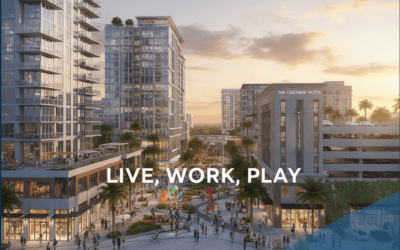
Suburban commercial real estate in Florida is poised for continued growth. Investors who anticipate demographic shifts, transportation improvements, and hybrid work patterns can capitalize on these markets early. Mixed-use suburban developments, combining retail, office, and residential elements, are particularly promising as they create self-sustaining communities.
At Steinbauer Real Estate, we help clients navigate suburban markets—identifying prime locations, structuring investment deals, and managing risks. Florida’s edge markets are heating up, and strategic suburban investments can deliver both stability and long-term growth.